Since it came into being in 2011, one of the mandates of the Muestra de Cine is to bring some of the most interesting developments in international cinema to the island, but also to connect filmmakers from the Canary Islands with professionals from other parts of the world. It was never simply a case of screening films: the goal is to foster encounters, conversations and relationships that will continue long after the festival has ended.
In this respect, the Cruce de caminos: Filmmakers from the Canary Islands section has maintained its core principles. The first is to ensure that the selection is as rigorous and discerning as possible, with the aim of recognising works that go beyond reproducing conventional narrative and production models or the usual formulas that dominate streaming platforms. Films that understand cinema as art, but also as a cultural, intellectual and, almost invariably, political endeavour. The second is to ensure that this recognition has tangible consequences. Hence the sustained effort to improve the conditions offered by the section and progressively increase the prize money.
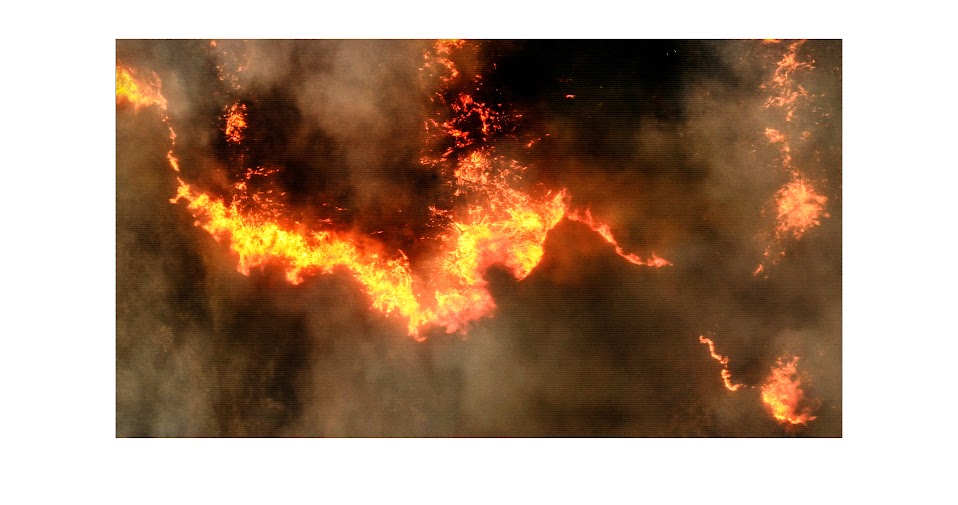
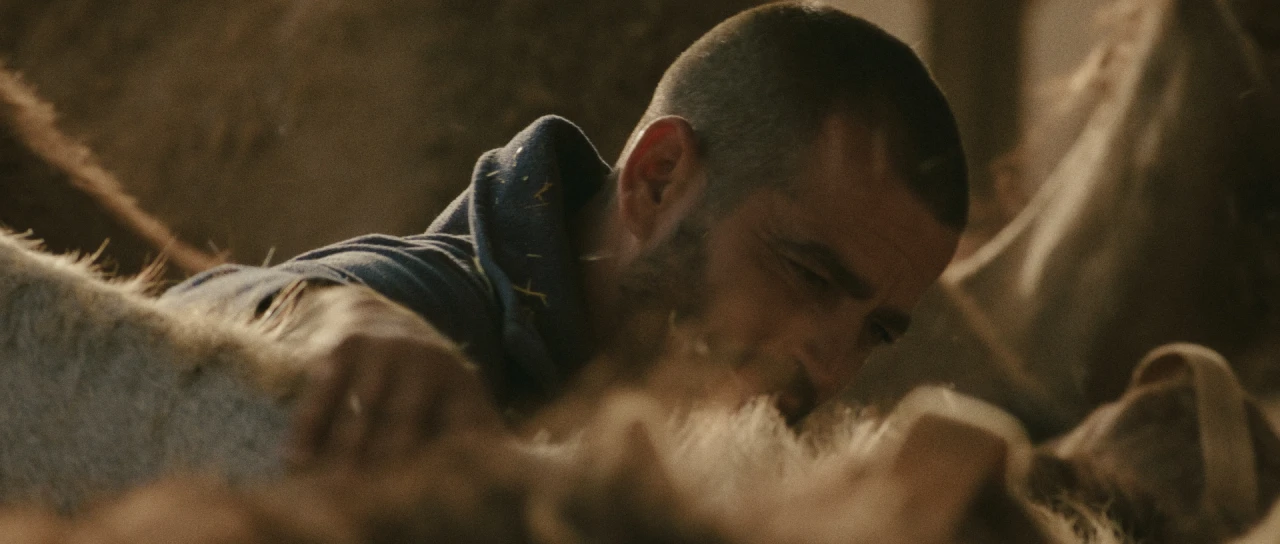
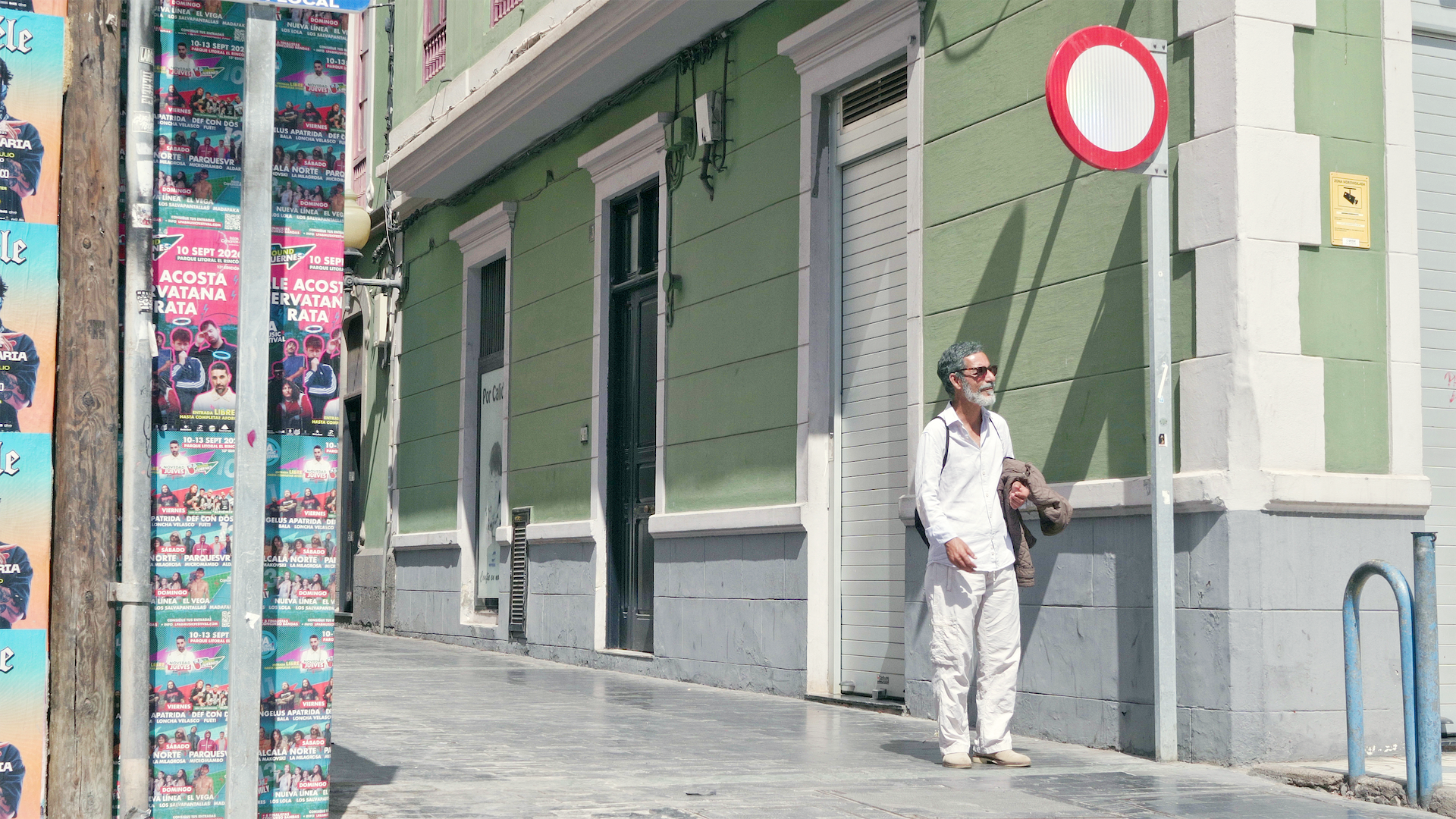
After fifteen years, it is particularly gratifying to see how some of the filmmakers who took part in Cruce de caminos at the very beginning of their careers have gone on to become major names in Spanish cinema, screening their work internationally. This year’s edition offers a particularly telling convergence: three filmmaking projects rooted in this section are now returning to the festival with feature-length films. Víctor Moreno is presenting El exterior in Cruce de caminos, out of competition; Helena Girón and Samuel M. Delgado are taking part in Trasfoco with Las islas afortunadas; and David Baute is presenting Benigno, also in Trasfoco.
There is no need to present these journeys as stories of inevitable success. It is enough to recognise that filmmaking in the Canary Islands has grown in ambition, diversity and its ability to contribute to the cinematic conversations of our time. Having played a part, however modest, in supporting that development is one of the reasons why this section remains so important.