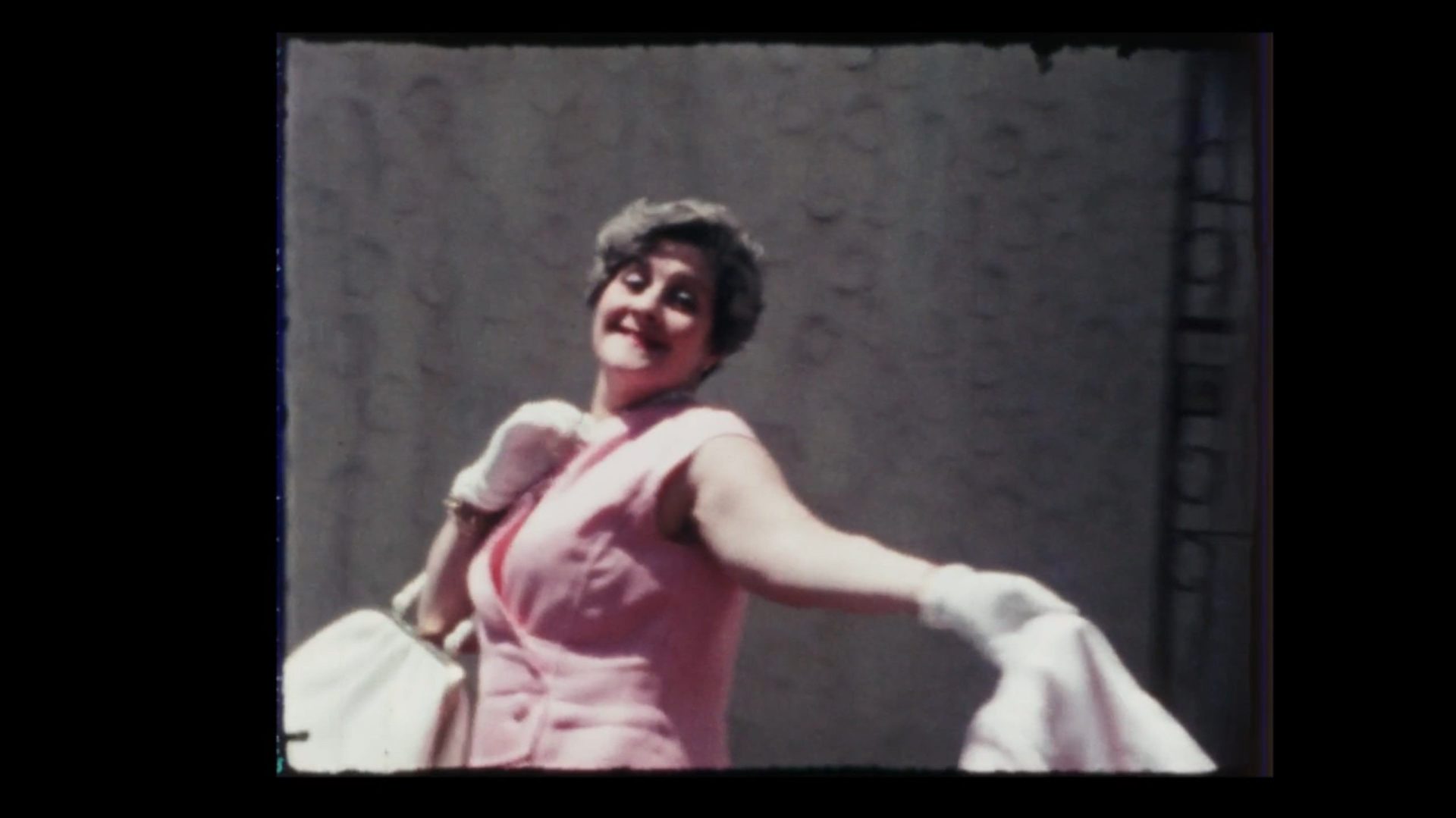
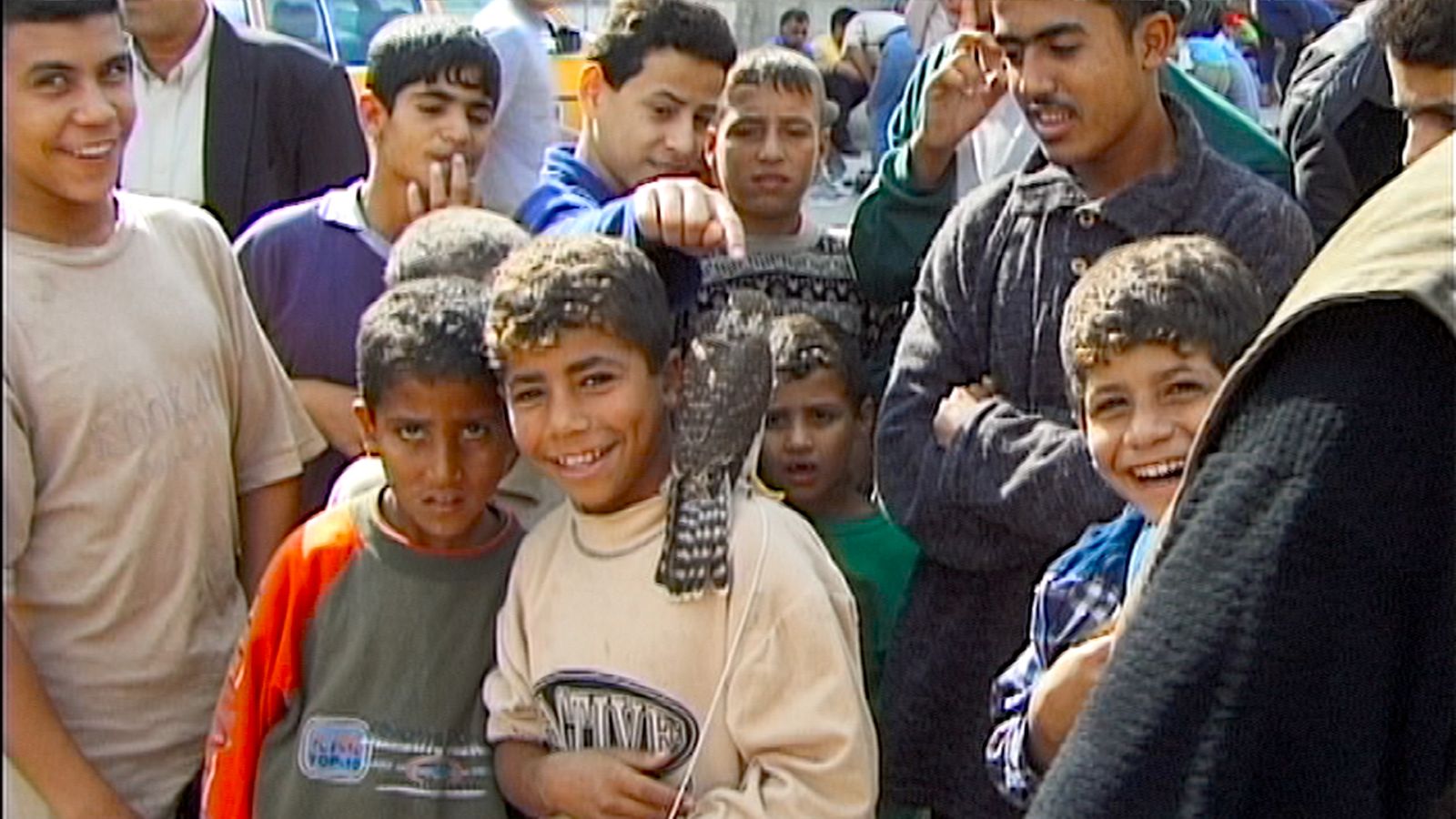
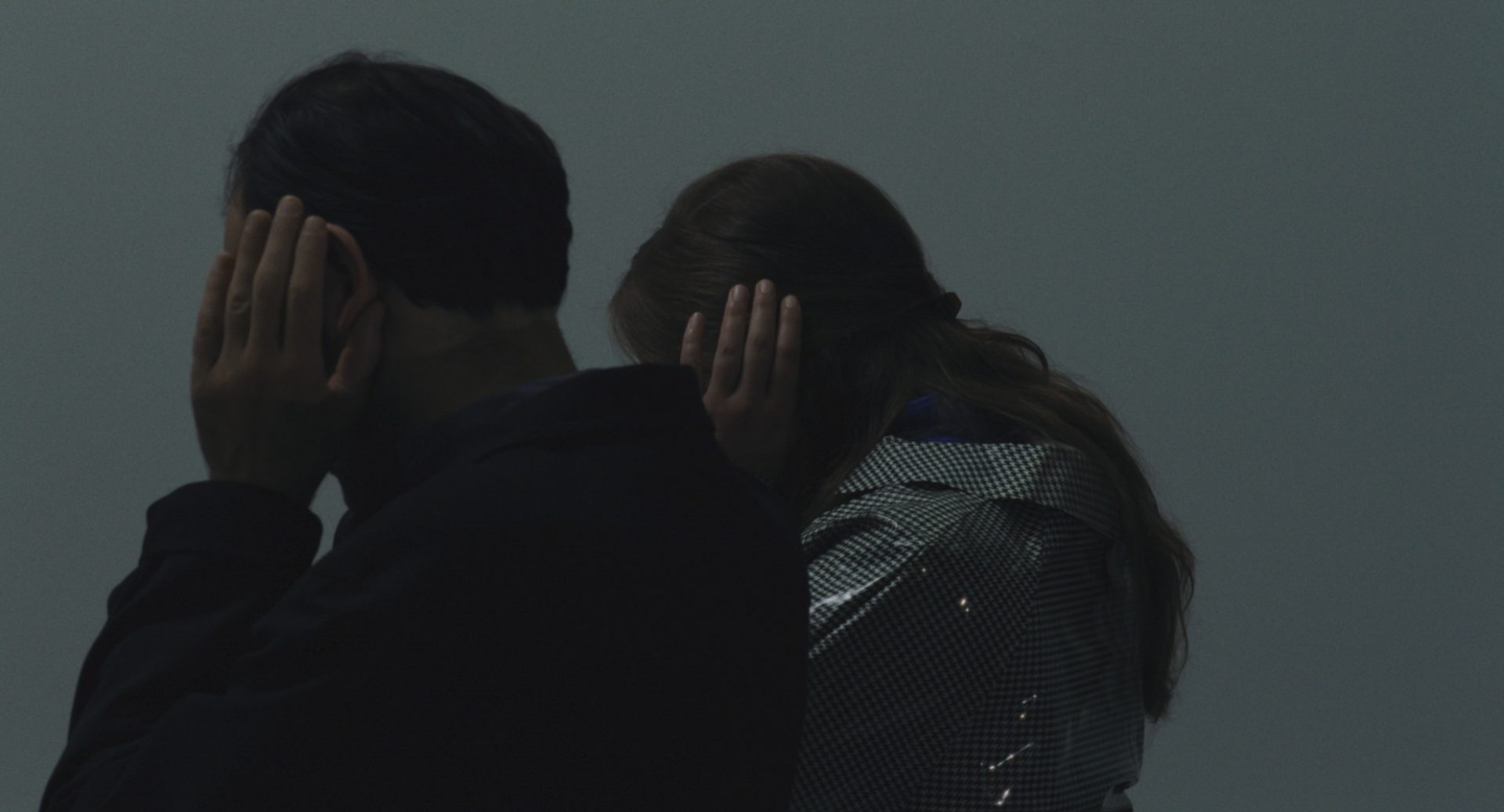
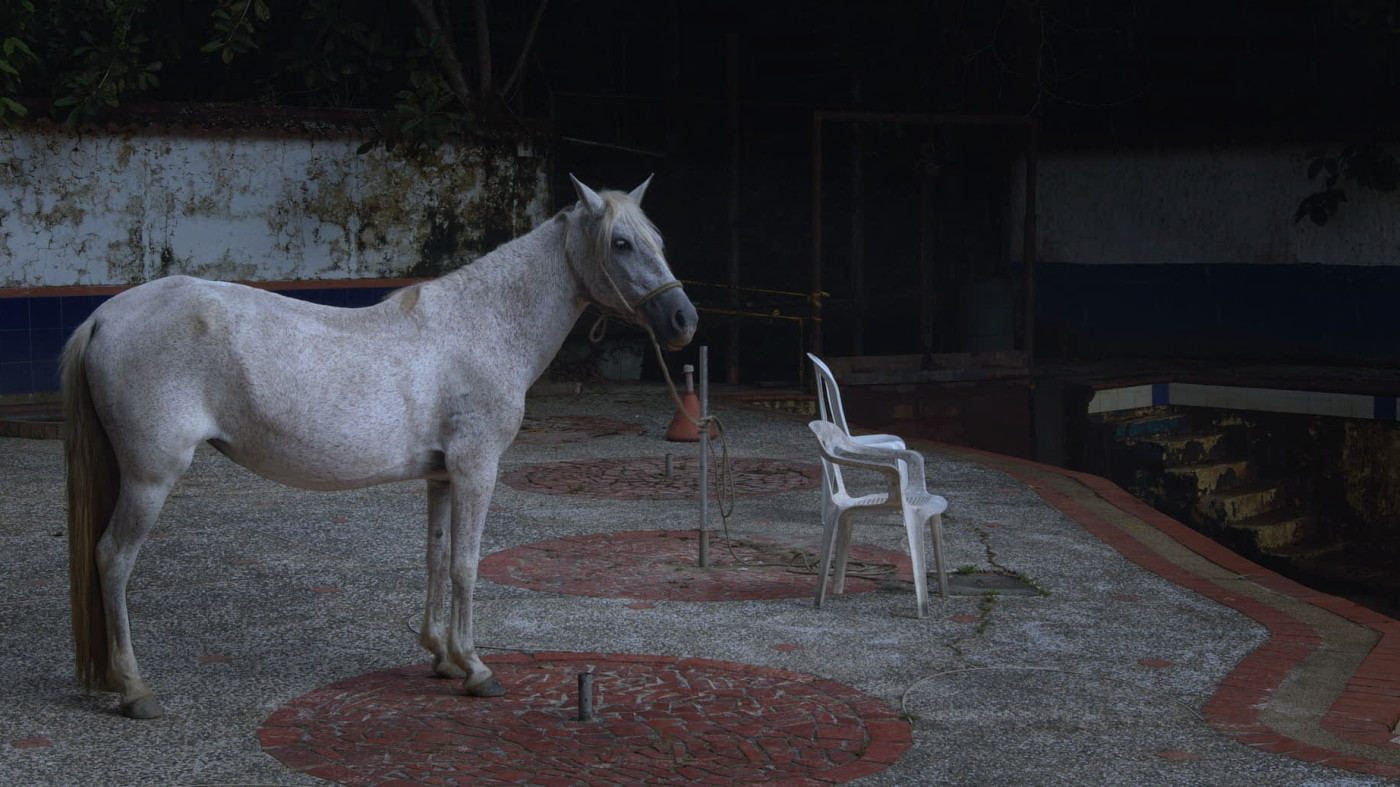
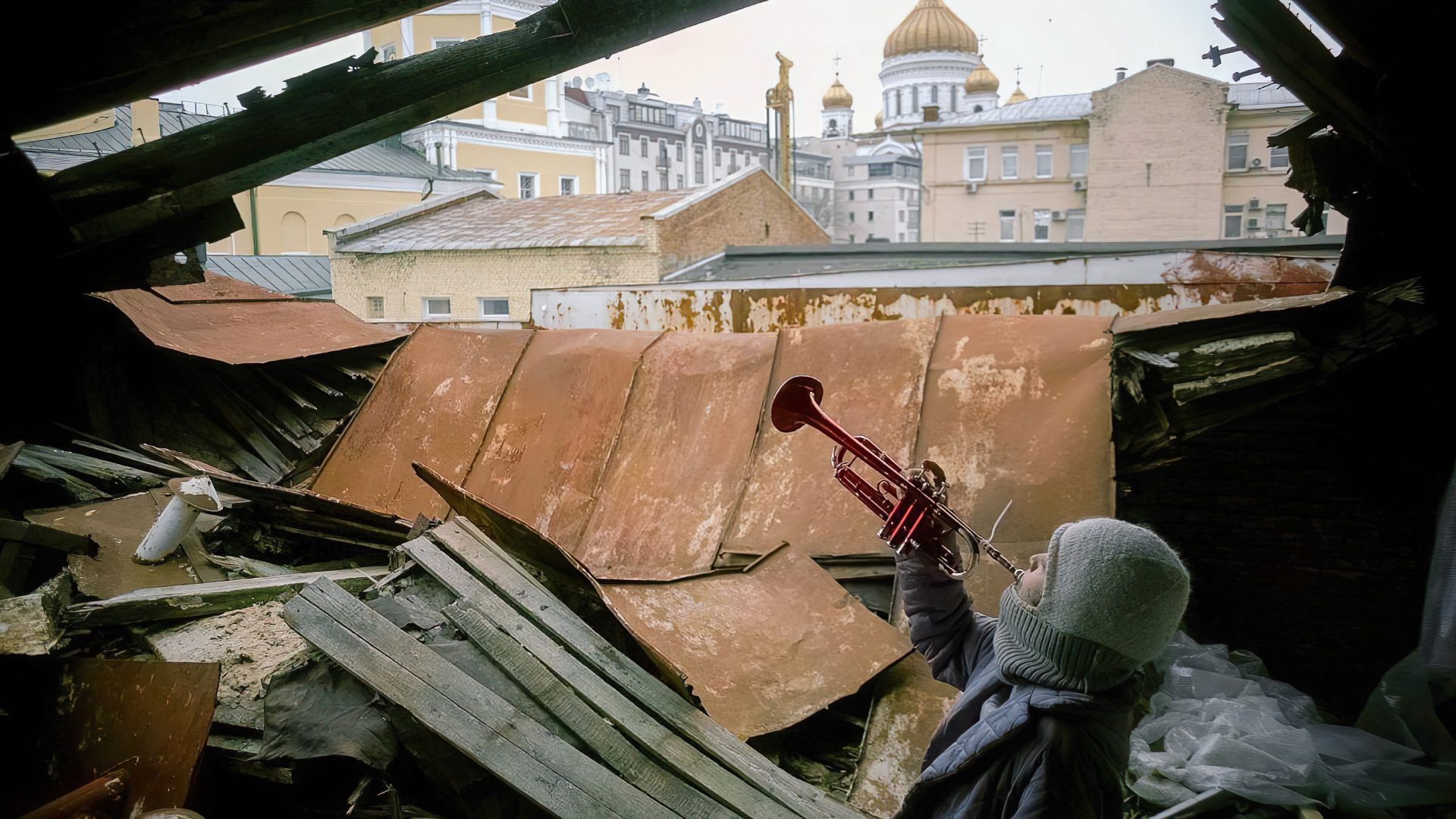
Once again, the Official Section of the Muestra de Cine de Lanzarote is bringing together some of the most meaningful and demanding cinematic proposals from the international landscape over the past year. It is not a question of selecting “the best” films of the moment — as if such a thing could be so easily distilled — but to build a space in which different cinemas of the world can converse with each other and, in doing so, shed light on the dilemmas and tensions that shape our present. When cinema takes risks and takes itself seriously, it does more than tell stories: it questions our certainties, reveals what we would prefer not to see and offers new ways of thinking about reality.
This year, the films come from places marked by very different conflicts, transformations and challenges: Germany, Chile, Colombia, Palestine, Romania and Russia. Each of these places bears the weight of a highly complex present, and each selected work approaches it with its own language, aware that form — the way of looking, framing, narrating — is always a position in the world. What we are looking for here is not uniformity but forcefulness: perspectives that create friction, resist the obvious and turn their singularity into a way of thinking.
The themes running through the films in the official section could not be more pressing: war and its invisible wounds, the fragileness of democracy, the rise of authoritarianism, forms of everyday violence that have persisted for decades, struggles over land and territory, entrenched social inequalities, forced displacements, class and identity tensions, the fractures that capitalism inscribes on bodies and on human landscapes. None of these issues is foreign to our time, yet cinema reveals them from unexpected angles that force us to rethink them.